Why Fire Safety Inspections Denver Can Fail and How to Organize Corrections After an Order Notice
A failed inspection rarely comes from one dramatic problem. More often, it comes from a stack of smaller issues that built up quietly, then showed up all at once when the inspector walked the site.
That is especially true with fire safety inspections Denver property owners and managers deal with every year. Denver inspects commercial and institutional properties on a regular cycle, typically about every 12 months, and those inspections can cover much more than a quick look at a panel or a few extinguishers. Inspectors may review exits, emergency lighting, fire-resistive separations, fire lanes, and the test records for fire safety systems. If they find violations, the result can be an order notice requiring correction.
If you have just received one, the good news is that most order notices are manageable when handled in the right order. The bad news is that many buildings make the same mistake after a failed inspection: they rush to fix visible symptoms without sorting out who is responsible for what, whether permits are needed, or which system records will be required to close the issue properly.
That is where projects get messy. One contractor replaces devices but no acceptance approval is scheduled. A sprinkler repair starts before the paperwork is in place. A property manager orders service for one deficiency, then learns the fire alarm issue is connected to a separate monitoring problem. The clock keeps ticking, and what should have been a clean correction turns into weeks of confusion.
Why inspections fail in the first place
When people hear "failed fire inspection," they often imagine severe neglect. Sometimes that is true, but in practice many failures come from ordinary operational drift.
A building may have started the year in decent shape. Then a tenant stacked storage in front of an exit. A light fixture serving egress burned out and no one flagged it. A wall penetration was left unsealed after another trade finished work. The sprinkler system was serviced, but the paperwork never made it into the building file. The alarm system worked, yet the records needed to show testing, maintenance, or certification were incomplete.
Denver’s inspection process is broad enough that any one of those issues can matter. The annual inspection is not limited to one trade. It looks at life safety in fire protection company near Denver the real world, meaning both the condition of the building and the readiness of the systems that protect it.
That is why so many failures fall into two overlapping categories. The first is visible field conditions, things like blocked exits, compromised separations, or access problems in fire lanes. The second is documentation and system status, including test records and unresolved impairment issues affecting alarms, sprinklers, or related components.
In other words, a building can fail because something is wrong, and it can also fail because the building cannot prove that a required system has been inspected, tested, maintained, or approved.
The hidden problem behind many order notices
One pattern shows up again and again: buildings treat fire protection as separate pieces when inspectors see it as a coordinated whole.
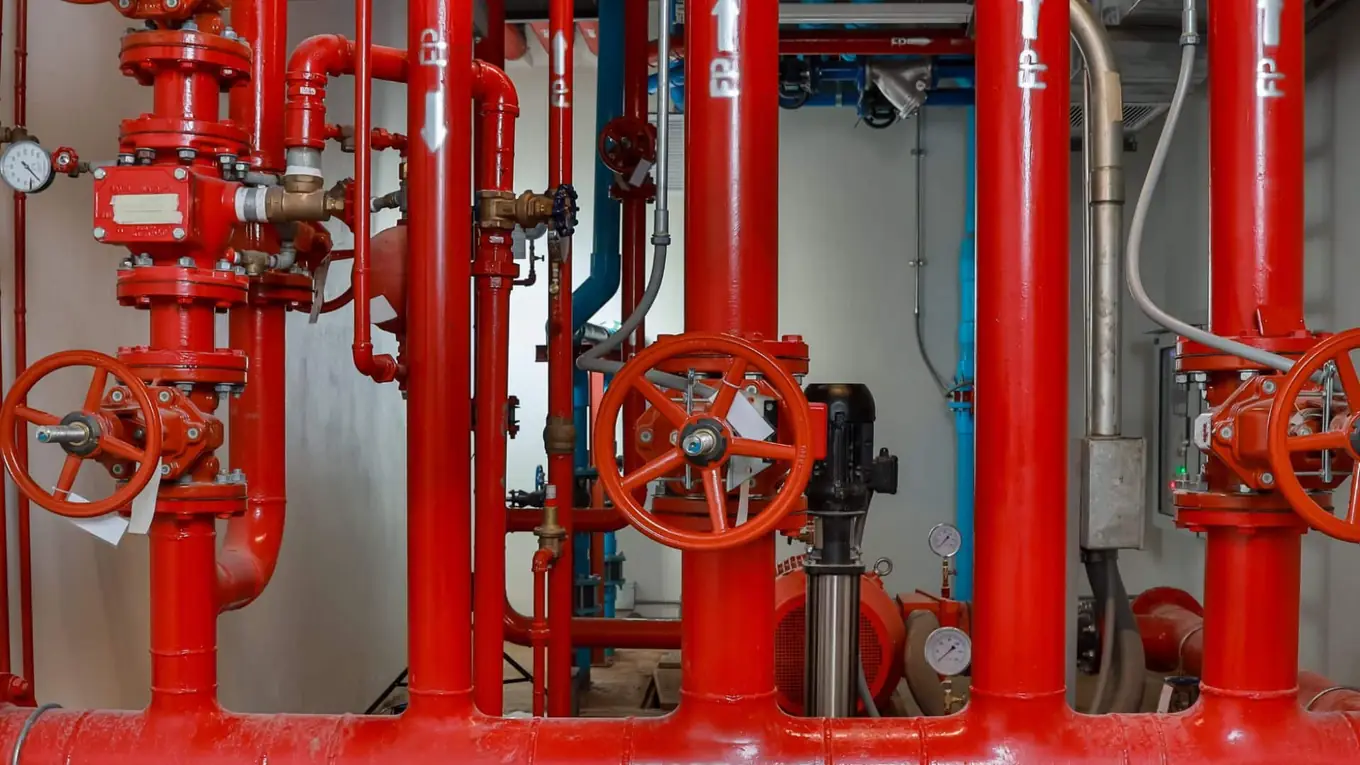
Take a common scenario. A property has a sprinkler deficiency. The owner calls for fire sprinkler installation Denver service or a repair contractor. During the visit, another issue is found involving the water supply arrangement or a missing test record that affects backflow inspection Denver documentation. Then someone checks the riser and realizes the annual fire pump inspection Denver paperwork is incomplete as well. At the same time, the building’s alarm panel has supervisory signals that need attention, and that drags fire alarm monitoring Denver into the conversation.
Now the owner is no longer dealing with one deficiency. They are trying to coordinate multiple scopes, each with its own timing and approvals.
This is where experienced managers slow down and map the whole problem before authorizing work. A failed inspection does not always mean every system is defective. It does mean the correction process has to match the way the authority having jurisdiction views the building.
Denver’s Fire Code Official, Fire Marshal, and the Fire Prevention Division have enforcement authority over fire code requirements, including hazards, disabled life safety systems, and false alarms. That matters because an order notice is not just a maintenance suggestion. It is part of a compliance process.
The most common failure triggers owners underestimate
The surprising part is not that major deficiencies fail inspections. Everyone understands that a disabled alarm system or a blocked exit is serious. What owners underestimate are the quieter triggers.
Recordkeeping is one. Inspectors may review test records for fire safety systems, and if those records are missing, outdated, or inconsistent, the building can quickly lose credibility. A manager may insist the work was done, but if the documentation is incomplete, the correction path becomes harder.
Changes made without proper approvals are another. Denver requires permits for most construction, alteration, or repair work on private property. On the fire protection side, Colorado law is clear that installation, modification, alteration, or repair of fire suppression systems generally cannot begin until required permits are obtained, the job is registered, and working plans and hydraulic calculations are reviewed and approved. That is not a small technicality. If someone starts work first and worries about paperwork later, they may fix one deficiency while creating another compliance issue.
A third trigger is misunderstanding the difference between service work and final acceptance. Denver’s plan review process includes fire protection engineering review, and the city notes that acceptance or approval is required before final sign-off of fire alarm and fire protection permits. So even when the physical work is done, the matter may not be closed until the appropriate acceptance process is complete.
That gap catches people off guard all the time. They hear "the repair is finished" and assume "the order notice is cleared." Those are not always the same thing.
Read the order notice like a project manager, not just a tenant rep
The first thing to do after a failed inspection is simple, but important: read every line of the notice without jumping straight to repairs.
Some notices describe straightforward conditions. Others reference areas or systems in a way that sounds obvious to an inspector but can be interpreted three different ways by an owner, tenant, and contractor. If a violation mentions exits, emergency lighting, fire-resistive separations, fire lanes, or test records, identify the exact location and the exact condition before dispatching vendors.
I have seen managers lose a week because "fix emergency lighting on second floor" was handed to a maintenance person who replaced bulbs, while the actual issue was a unit not functioning under loss of power. The work happened, money was spent, and the order notice was still open.
Before anyone starts corrective work, sort each item into the right lane.
- Immediate life safety condition that needs same-day attention
- Housekeeping or building condition issue
- Fire alarm or monitoring issue
- Water-based fire protection issue
- Permit, approval, or recordkeeping issue
That short sorting step prevents a lot of backtracking. It also makes it easier to assign the right contractor, the right internal contact, and the right timeline.
Why coordination matters more than speed
Owners often feel pressure to move fast after a failed inspection, and speed does matter. But uncoordinated speed causes rework.
For example, if an issue affects fire suppression systems Denver buildings rely on, the correction may involve more than replacing a component. Depending on the scope, permits and reviewed plans may be part of the process. If the building also needs system acceptance or approval before final sign-off, then scheduling field work without planning for the next step can leave the property in limbo.
The same logic applies to alarms. NFPA compliance inspections Colorado facilities prepare for often depend on ongoing inspection, testing, and maintenance records, and fire alarm systems fall under NFPA 72 for design, installation, inspection, testing, maintenance, and emergency communications functions. Water-based systems are covered under NFPA 25 for inspection, testing, and maintenance. You do not need to quote standards to organize a correction, but you do need to recognize that alarm issues and sprinkler issues are not governed by the same maintenance framework.
That distinction affects how deficiencies are corrected, documented, and presented for follow-up.
A practical example helps here. If an inspector notes missing or problematic records for a water-based system, a building might need to gather reports related to sprinkler or pump inspections, and possibly address deficiencies found during those services. If the issue instead involves a fire alarm system, the record trail and service approach could be entirely different, especially where monitoring, supervisory signals, or acceptance status is concerned.
Treating both as a generic "fire system problem" is where confusion starts.
When permits enter the picture
Not every correction after an order notice turns into a permit project, but many owners guess wrong about when permits are required. Denver states that permits are required for most construction, alteration, or repair work on private property. For suppression work, Colorado law adds another layer by requiring permits and approval steps before covered installation, modification, alteration, or repair begins.
That means a good correction plan asks a specific question early: is this a maintenance item, or does this scope cross into work that needs permitting and approval?
If the answer is unclear, do not fill in the blank with optimism. Clarify it with the appropriate fire protection contractor or design professional involved in the work. Starting too early can complicate the closeout process, and it can also undermine confidence during reinspection.
This matters even more in Denver right now because the city adopted new 2025 Building and Fire Codes effective December 31, 2025, with some projects allowed to use either the 2025 or 2022 code set depending on submittal date. If a correction grows into a larger permitted scope, code path questions can affect the submittal and review process. That is not something a building team wants to discover halfway through a rushed repair.
A better way to organize corrections after the notice arrives
When a property is juggling multiple deficiencies, the smartest move is to run the correction process like a small capital project, even if the total work is modest. That means one lead person, one document trail, and one central log of what has been corrected, what is waiting on approval, and what still needs records.
Here is a clean sequence that works well in practice.
- Confirm each cited deficiency in the field and tie it to a location, system, or document.
- Separate simple building issues from fire system issues, then assign the right vendor or internal team.
- Identify whether any scope may require permits, plan review, acceptance testing, or approval before sign-off.
- Collect every service report, test record, and communication in one file for the property.
- Track completion against the order notice itself, not against verbal updates from vendors.
That sequence sounds basic, but it solves a common problem: people often manage corrections from their email inbox instead of from the notice. A technician says a valve was repaired. Another says the extinguishers were serviced. Someone else says the lighting issue is done. Weeks later, nobody can tell whether every cited item was addressed in a form that will satisfy follow-up review.
For commercial fire protection Colorado properties, discipline beats speed every time.
What to do about documentation gaps
Missing documentation deserves special attention because it can sink an otherwise solid correction effort.
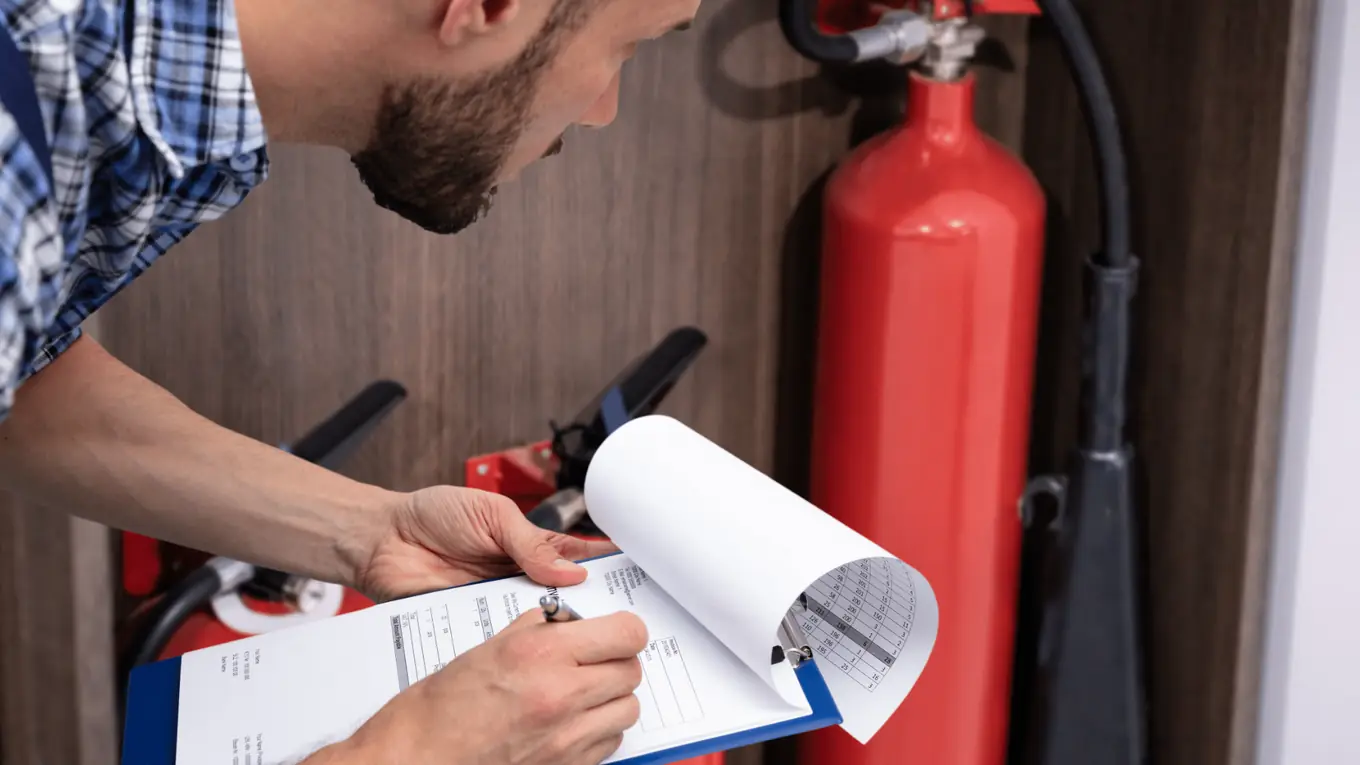
Denver inspections may include review of test records for fire safety systems. If those records are not organized, do not wait until the day before reinspection to start hunting for them. Gather what exists immediately. That may include reports tied to fire extinguisher inspections Denver, alarm testing and monitoring records, sprinkler inspection reports, pump testing records, or other relevant fire system paperwork associated with the cited issue.
Then look for the holes. Not every gap means the system has failed physically, but every gap raises a question the inspector may return to. Was the required work completed? Was it completed on time? Was it accepted or approved when needed? Is the system currently in service?
Buildings that handle this well usually create a simple deficiency file for each notice. Nothing fancy, just the notice, photos if helpful, vendor proposals, completed reports, permit or review status if applicable, and a final summary of what was corrected. When a reinspection or follow-up conversation happens, the manager can answer with specifics instead of memory.
That level of organization also helps with fire system certification Colorado needs later on. Even when the immediate goal is clearing an order notice, a clean record trail supports future inspections and reduces repeat problems.
Why alarm and sprinkler corrections often stall
Two categories tend to cause the most schedule drift: fire alarms and water-based systems.
Alarm work can stall because people assume a reset equals resolution. It does not. If the building has active trouble or supervisory conditions, unresolved initiating device issues, or questions around acceptance and final sign-off, the repair may need more follow-through. Because NFPA 72 addresses not only design and installation but also inspection, testing, and maintenance, the correction often needs both technical repair and proper documentation.
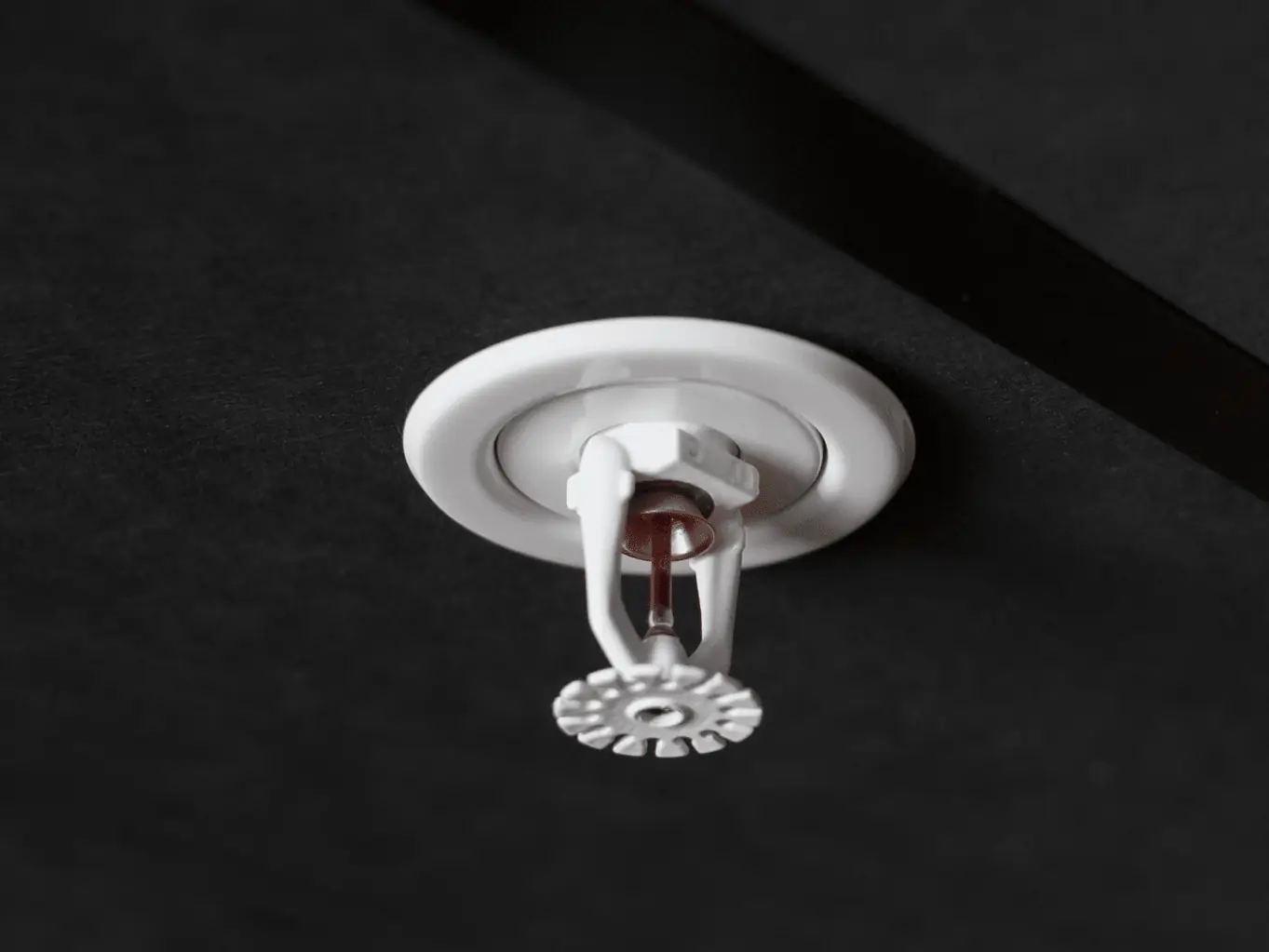
Water-based systems stall for a different reason. On sprinkler and related suppression work, the field correction can expose plan review or permit requirements the owner did not anticipate. A small repair can stay small, but a modification or alteration may not. Since Colorado requires that covered suppression work generally wait until permits are obtained and plans are reviewed and approved, owners who treat all sprinkler work as routine service can end up with delays they created themselves.
That is one reason many fire protection Denver projects benefit from a single point of coordination, even if more than one company is involved. Somebody needs to know whether the issue is finished in the field, finished on paper, and finished from the city’s perspective.
The role of emergency service after a failure
Some order notices involve conditions that cannot wait for normal scheduling. If a life safety system is disabled, or if the cited issue affects basic building protection, owners may need emergency fire protection Denver support to stabilize the situation first.
Stabilizing is not the same as closing the notice. It means reducing immediate risk while the full correction path is organized.
That distinction matters because emergency service tends to focus on restoring operation, isolating a fault, or making a space temporarily safer. It may not resolve permit questions, final recordkeeping, or acceptance requirements. Owners should be grateful for the quick response, then shift back into project mode once the immediate condition is under control.
Reinspection is easier when you think like the inspector
A lot of stress disappears once property teams stop asking, "Did we send someone out?" And start asking, "Can the inspector clearly verify correction?"
That means the path to success is usually visible and practical. If the deficiency involved exits, the path must be clear. If it involved emergency lighting, the units must function as intended. If it involved fire-resistive separations, the compromised condition must actually be corrected, not cosmetically covered. If it involved records, those records must be ready, organized, and relevant.
The same principle applies to systems. If the order notice touched fire alarm monitoring Denver service, the answer cannot just be "our vendor looked at it." If it involved fire sprinkler installation Denver or repairs to suppression piping or components, the answer cannot just be "the work is done." The inspector or reviewing authority may need to see that approvals, acceptance, or related documentation are in place where required.
That is why experienced building managers walk the corrections before the follow-up, with the order notice in hand. They check each line item against the actual field condition and the actual paperwork. It takes an hour or two, and it saves a lot more than that.
The best long-term fix is boring, and that is a good thing
The buildings that stop failing inspections are not always the newest or the most expensive. Usually, they are the ones with ordinary, disciplined habits.
They keep records where the next person can find them. They do not let tenant changes drift into blocked exits or compromised separations. They schedule recurring service and review the reports instead of filing them unread. They ask permit questions before work starts. And when an order notice does arrive, they organize it as a compliance project, not just a repair ticket.
That approach is especially useful for owners managing several locations across Denver. Once you have seen how annual inspections are typically conducted, the pattern becomes predictable. Inspectors are looking at the real condition of life safety features and the evidence that critical systems are being properly maintained and, when required, approved.
If your property has already failed, do not panic. Read the notice carefully. Verify the facts in the field. Separate building issues from system issues. Coordinate alarm, sprinkler, extinguisher, pump, and backflow items with the right teams. Clarify permits before work begins where the scope may require them. Keep the records together.
That is how order notices get resolved without unnecessary detours, and how fire safety inspections Denver facilities face each year become far less disruptive over time.